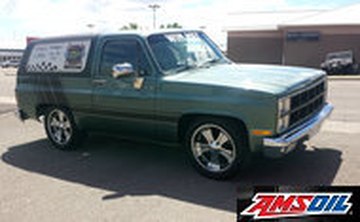
Maintaining Lubrication Integrity for the 1981 Gmc Trucks JIMMY 5.0L
Proper engine maintenance is a cornerstone of long-term vehicle health, particularly for utility-focused vehicles like the 1981 Gmc Trucks JIMMY 5.0L. Ensuring that the internal components receive consistent and clean lubrication helps manage the mechanical stresses associated with regular operation. While many aspects of vehicle care are straightforward, understanding how to monitor fluid conditions and identify potential issues can prevent unexpected complications.
Monitoring Fluid Condition and Potential Leaks
One of the most effective ways to assess the health of a 5.0L engine is through regular visual inspections of the surrounding components. Over time, various seals and gaskets may experience changes in their ability to contain fluids. When performing routine checks, it is useful to look for signs of seepage or active leaks around the engine block and accessory mounting points.
If you notice fluid accumulating on the underside of the vehicle or staining specific areas of the engine, this warrants closer investigation. Such observations do not always indicate a single catastrophic failure; they can be associated with various aging components or loose fittings. Additionally, checking the appearance of the oil itself can provide clues about the engine's internal state. Oil that appears excessively dark, gritty, or contains visible particulates should be addressed promptly. Monitoring these signs allows for a proactive approach to maintenance rather than reacting to a sudden loss of fluid.
Observing Operational Warning Signs
Beyond visual inspections, how the vehicle behaves during operation can offer significant insight into its lubrication needs. Owners should remain attentive to any changes in the engine's characteristic sounds or performance. For instance, unusual mechanical noises that occur specifically during startup or while the engine is idling may indicate that the lubricant is not reaching critical areas as efficiently as it should.
It is also important to watch for changes in exhaust characteristics. While certain types of smoke can be caused by many different factors, any sudden or persistent change in exhaust color warrants an inspection to ensure the engine is operating within normal parameters. Furthermore, if a warning light or indicator appears on the dashboard related to oil levels or pressure, this requires immediate attention. Because symptoms like these can have multiple underlying causes—ranging from sensor issues to actual fluid loss—they should be treated as signals for professional diagnosis rather than being dismissed.
Managing Maintenance Records and History
For a vehicle of this age, establishing a clear maintenance baseline is highly beneficial. If you are the current owner and do not have access to a complete service history, your first priority should be to document every service performed from this point forward. Keeping a detailed log of oil changes, filter replacements, and any repairs made provides a roadmap for future care.
A well-maintained record helps distinguish between routine preventive maintenance and necessary repairs. For example, if you know exactly when the last major service was completed, you can better prioritize upcoming tasks based on actual usage rather than guesswork. Reviewing previous repair orders can also reveal patterns; if a specific area has required frequent attention in the past, it may be an area that requires more frequent monitoring during your routine inspections.
Prioritizing Service Tasks Based on Condition
Effective maintenance is not about performing every possible task at once, but rather about addressing the most critical needs first. As a vehicle ages, the priority should shift toward the current physical condition of the engine and its supporting systems. Rather than following a generic schedule that may not account for how the vehicle has been used, focus on what the vehicle actually requires.
If you discover an active leak or notice that fluid consumption has increased, these issues should take precedence over other non-essential maintenance. Similarly, if inspection reveals that age-sensitive components—such as accessible belts (if equipped) or various hoses—show signs of cracking, glazing, or deterioration, they should be evaluated for replacement. By focusing on active concerns and the actual state of the hardware, you can manage maintenance costs more effectively while ensuring the 1981 Gmc Trucks JIMMY 5.0L remains reliable.
General Engine Care and Component Inspection
Routine care involves looking at the engine as a complete system. This includes checking the condition of the air filtration system to ensure the engine is receiving clean air, which helps prevent internal contamination. If equipped, inspecting drive belts for signs of fraying or surface wear is also a prudent step during regular service intervals.
Electrical connections and wiring harnesses should also be checked for signs of corrosion or damage, as these can affect how various sensors communicate engine data. Maintaining a clean engine bay can also make it much easier to spot new leaks or issues before they become significant problems. A clean environment allows for a more accurate visual assessment during every inspection.
Practical Guidance for Buying Engine Oil for the 1981 Gmc Trucks JIMMY 5.0L
When it is time to replenish your engine's lubricant, the most important step is to ensure the product matches the specific requirements of your application. To select the correct oil, match the engine oil to the application-specific viscosity information already displayed on this webpage.
As you shop for products, consider the following practical tips:
- Verify the Label: Always check the product packaging to ensure the SAE viscosity and API service classifications align with the information provided in your vehicle's documentation.
- Evaluate Formulations: Depending on your specific needs, you may choose between conventional oil, synthetic blends, or full synthetic options. Some high-mileage oil formulations contain additives intended for use in aging engines, which may be a consideration if you are managing older seals.
- Check Certification: Ensure the oil carries the appropriate API certification to confirm it meets modern standards for engine protection and deposit control.
- Avoid Assumptions: Do not rely on general knowledge or assumptions based solely on the vehicle's age; always refer back to the specific application data provided here to ensure a correct match.